
Types of Pests That Require Fumigation Treatment
People seeking fumigation treatment typically aim to eliminate pests like termites, bed bugs, or wood-boring insects, with local contractors ready to provide effective pest control solutions.
If you're concerned about pests that can invade your property and cause significant damage or health issues, understanding which types of pests require fumigation treatment is an important step. Many property owners in the area find themselves facing infestations from insects such as termites, bed bugs, or certain types of beetles-pests that can be difficult to eliminate without specialized treatment. Recognizing the signs of these pests and knowing when fumigation might be necessary can help protect your investment and ensure a safe, pest-free environment. Local contractors experienced in fumigation services are equipped to handle these specific infestations, providing effective solutions tailored to the pest problem at hand.
Exploring the different types of pests that require fumigation treatment can also help property owners plan for ongoing pest management and prevention. Infestations involving wood-boring insects or persistent bed bugs often demand comprehensive treatment methods to fully eradicate the problem. Working with local service providers who specialize in fumigation can provide peace of mind, knowing that experienced professionals can address these challenging pests efficiently. Keep reading to learn more about common pests that require this type of treatment and how local experts can assist in safeguarding your property from future invasions.
- - when signs of extensive damage or live termites are present, local contractors often recommend fumigation to eliminate the colony effectively.
- - in cases of severe bed bug outbreaks, local service providers may suggest fumigation as a comprehensive treatment option.
- - when wood-boring pests threaten structural integrity, local pros typically use fumigation to target hidden infestations.
- - in situations where rodents have nested inside walls or hard-to-reach areas, fumigation can be part of a professional pest removal strategy.
- - when pest activity causes mold or fungal growth, local contractors might recommend fumigation to address both pest and related problems.
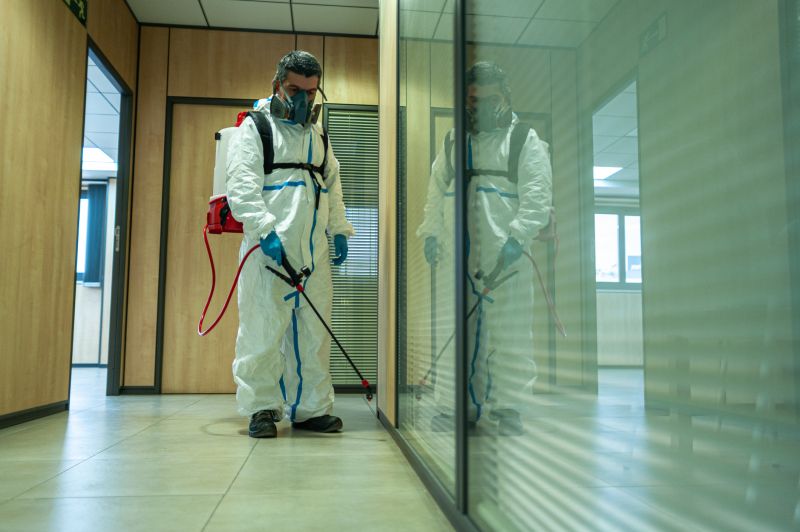
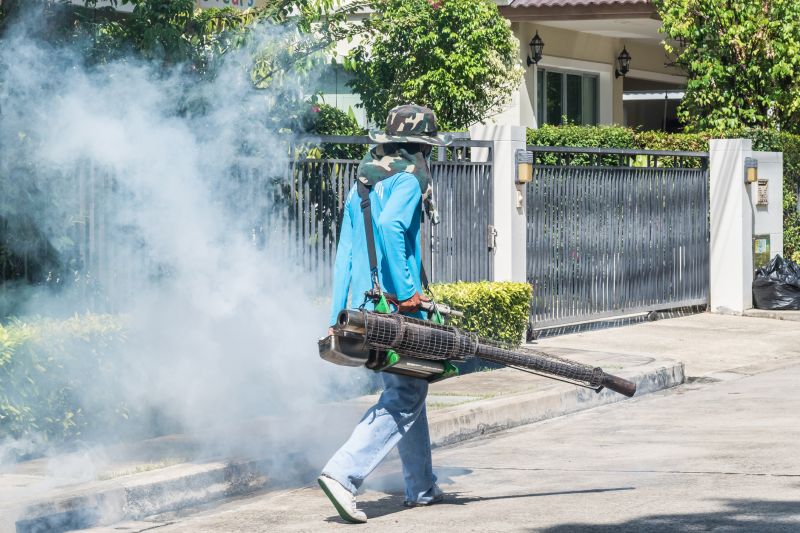
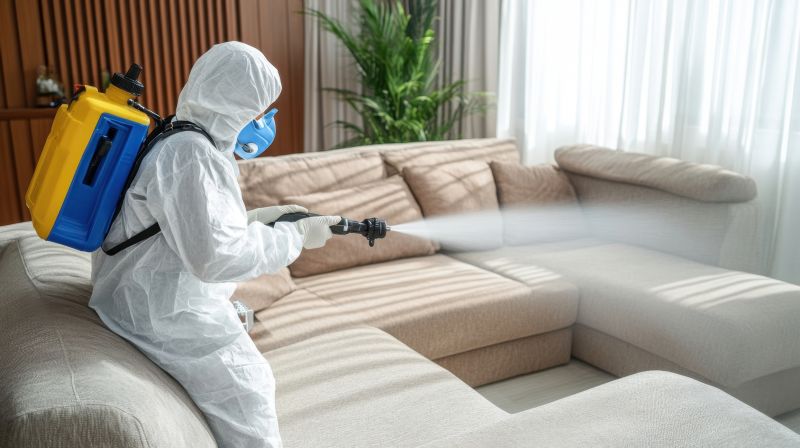
When searching for information on pests that require fumigation treatment, homeowners are often trying to identify serious infestations that cannot be eliminated through standard pest control methods. This topic is closely connected to larger concerns about property damage, health risks, and the need for thorough eradication of persistent pests. People typically want to understand which pests are best addressed with fumigation because these pests tend to hide deep within structures or reproduce rapidly, making conventional treatments ineffective. The goal is to find reliable service providers who can perform comprehensive treatments to ensure pests are fully eradicated and do not return, especially in cases where infestations threaten the integrity of the property or pose health hazards.
The types of pests that require fumigation treatment generally include those that are difficult to control with typical pest management techniques. Common examples are termites, which can cause extensive wood damage if left untreated, and bed bugs, known for their resilience and difficulty to eliminate completely without specialized methods. Other pests such as certain types of beetles, wood-boring insects, and some stored product pests may also necessitate fumigation when infestations are widespread or deeply embedded in materials. These pests often invade multiple areas of a property, making a targeted, whole-structure approach essential for effective eradication. Homeowners planning for major pest removal projects should understand that fumigation is often part of a comprehensive plan to restore safety and comfort to their homes.
Properties that typically come up in discussions about pests requiring fumigation include residential homes, especially those with extensive woodwork or stored goods, as well as commercial buildings like warehouses, restaurants, and food storage facilities. Large or multi-unit dwellings are also common candidates for fumigation treatments, particularly when infestations affect multiple units or are difficult to contain. Structures with significant structural damage from pests, such as termite damage, often require fumigation to ensure all pests are eradicated from hidden or inaccessible areas. Local service providers that specialize in fumigation treatments are equipped to handle these types of properties, providing the necessary expertise to address severe infestations effectively and help property owners restore their spaces.
Understanding the connection between property type, pest behavior, and the need for fumigation treatment is crucial for homeowners considering pest control options. When infestations involve pests that are resilient, deeply hidden, or capable of causing structural damage, fumigation becomes a practical solution. Working with experienced local contractors ensures that the treatment is performed thoroughly and safely, targeting pests in every corner of the property. These professionals can assess the specific pest problem, recommend appropriate treatment methods, and help homeowners navigate the process to achieve a pest-free environment. Properly addressing these pest issues not only protects property value but also contributes to a healthier, more comfortable living or working space.
Pest inspection services - professionals who evaluate properties for signs of pests requiring fumigation treatment and help determine the appropriate approach.
Termite treatment projects - specialists who focus on eliminating termite infestations, often utilizing fumigation as an effective solution.
Structural pest control services - providers experienced in treating pests that invade building structures and may need fumigation to fully eradicate.
Infestation cleanup services - experts who handle the removal of pests and affected materials, often coordinating with fumigation specialists for complete clearance.
Warehouse pest management - service providers who implement pest control plans for large storage facilities dealing with pests that require fumigation.
Food facility pest control - contractors skilled in managing pest issues in commercial food environments where fumigation might be necessary for certain pests.
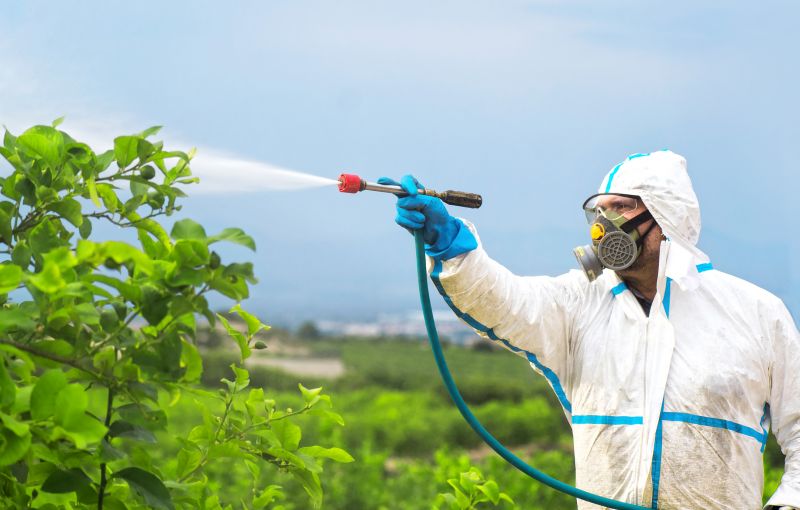
When comparing service providers for fumigation treatment, it is important to consider their experience with similar projects involving the types of pests that require fumigation treatment. A contractor with a history of successfully handling infestations like termites, bed bugs, or wood-boring insects can offer insights into effective methods and proven results. Asking about their previous work with these specific pests helps ensure they understand the unique challenges and best practices associated with each, increasing the likelihood of a thorough and effective treatment.
Clear, written expectations are essential when evaluating local contractors for fumigation services. This includes understanding the scope of work, the steps involved in the treatment process, and any preparations or follow-up actions required. Service providers who can provide detailed, easy-to-understand documentation demonstrate professionalism and transparency, making it easier to compare options and ensure that all aspects of the project are covered. Well-defined expectations help prevent misunderstandings and ensure that the homeowner is fully informed about what the treatment entails.
Reputable references and effective communication are key factors in choosing a reliable fumigation contractor. Requesting references or reviews from previous clients who faced similar pest issues can offer valuable insights into the quality of work and customer satisfaction. Additionally, service providers who communicate clearly and promptly-whether through phone, email, or in-person discussions-are more likely to keep homeowners informed and comfortable throughout the process. Good communication and trustworthy references collectively contribute to a smoother experience and confidence in the chosen contractor’s ability to handle the specific pest problem.
Property owners often search for types of pests that require fumigation treatment when they are planning practical projects around their homes and businesses. Local pros provide Fumigation Treatment services for everyday jobs and straightforward project options.
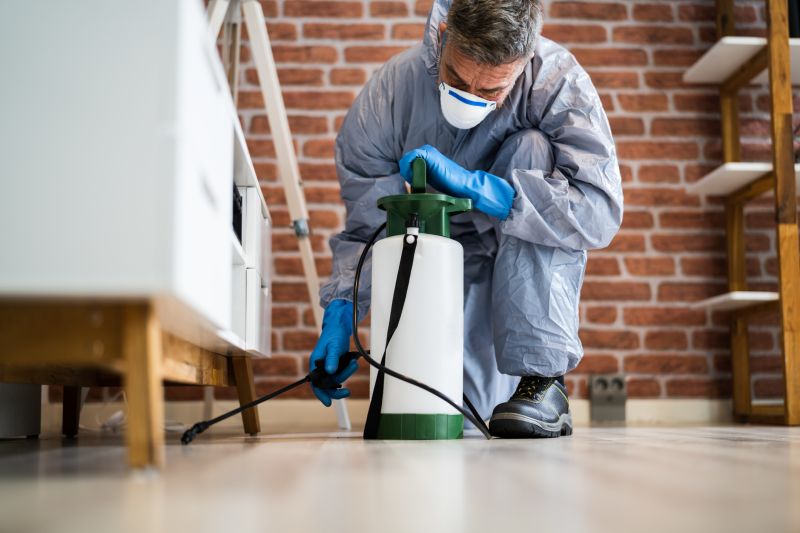
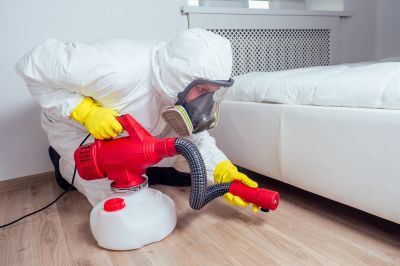
Many property owners in the area turn to fumigation treatment when dealing with persistent pest infestations that are difficult to eliminate through standard methods. Common pests that require this approach include termites, which can cause extensive damage to wooden structures if left untreated, and bed bugs, known for their ability to hide deep within furniture and bedding. Other pests such as certain types of beetles or stored product insects may also necessitate fumigation to ensure complete eradication, especially when infestations are widespread or resistant to conventional treatments.
Homeowners and business owners often seek out local contractors for fumigation services when facing infestations of pests that pose health risks or threaten property integrity. These pests tend to multiply rapidly and can be challenging to control with DIY solutions alone. Consulting with experienced service providers can help identify the specific pest problem and determine whether fumigation treatment is the most effective solution. With professional assistance, property owners can address infestations efficiently and restore a pest-free environment.
What types of pests typically require fumigation treatment? Fumigation is commonly used to eliminate pests such as termites, bed bugs, wood-boring beetles, and certain stored product pests. Local contractors can assess infestations to determine if fumigation is necessary for these pests.
Why is fumigation necessary for certain pest infestations? Fumigation is often required when pests have deeply infested structures or products, making traditional treatments ineffective. Local service providers can identify infestations that need this comprehensive approach.
Are there pests that cannot be treated with fumigation? Yes, some pests, like rodents or surface-dwelling insects, are typically managed with other methods. Local pros can recommend the most appropriate treatment options based on the pest type.
How do local contractors determine if fumigation treatment is needed? They evaluate the pest species, infestation severity, and location to decide if fumigation is the best approach for effective pest control.
Which pests are most commonly associated with structures and require fumigation? Pests such as termites, wood-boring beetles, and certain stored product pests are frequently treated with fumigation to protect buildings and contents.
- property owners can plan fumigation treatments to eliminate hidden termite colonies inside wood structures and prevent future damage.
- scheduling fumigation services can help eradicate bed bugs from mattresses, furniture, and entire rooms effectively.
- local contractors can perform fumigation to target carpenter ants nesting within wall voids and inaccessible areas.
- property owners can arrange fumigation to address drywood termite infestations that are difficult to treat with surface methods.
If you are thinking about types of pests that require fumigation treatment for a property, this guide is meant to help you understand this topic, the typical project types, and how different options might fit your plans.
When you are ready, you can use the quote form on this page to share a few details about your project. From there, local pros can review the basics and follow up with options that match what you have in mind.